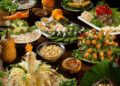








Light yet deeply complex, Vietnamese cuisine is a harmonious balance of flavors, textures and aromas shaped by centuries of tradition and regional diversity. Fresh herbs, fragrant spices and carefully chosen ingredients come together to create dishes that are both healthy and full of character.

Exploring Vietnamese cuisine is more than a culinary journey; it is an invitation to discover everyday life, local markets and time-honored cooking techniques that make Vietnam one of Asia’s most exciting food destinations.
Food in Vietnam
When travelling to Vietnam, you can look forward to the rich and diversified Vietnamese cuisine since Vietnam is a country that has over 500 national dishes. Food in Vietnam is healthy, inexpensive and high in quality. Oh, and recipes differ very often depending on the family that owns the restaurant.
In Vietnam, people say that the size of a restaurant’s chairs is proportional to the prices of the dishes that the restaurant offers. If the chairs are small, the costs of the meals are low. Most of the street food you will purchase will cost around $1 and will taste as good as a high-end restaurant.
Rice is the base of almost all Vietnamese dishes and is typical for Vietnamese culture. The “nuoc mam” fish sauce is a condiment that adds flavor to many Vietnamese dishes. What is in it? Anchovies fermented in salt and water. Try it on Phu Quoc island in the South where it is a trademark condiment.
A good thing: all the food you find is very healthy and low in calories, so feel free to take a couple of different dishes when you eat out in Vietnam and wash it down with a local beer or rice wine.
Core aspects of Vietnamese cuisine

- Street food on the sidewalk is almost everywhere and you can eat as much as you want for little money.
- You can find various high-quality restaurants in cities like Hanoi and Ho Chi Minh City with refined meals that reflect the country are served.
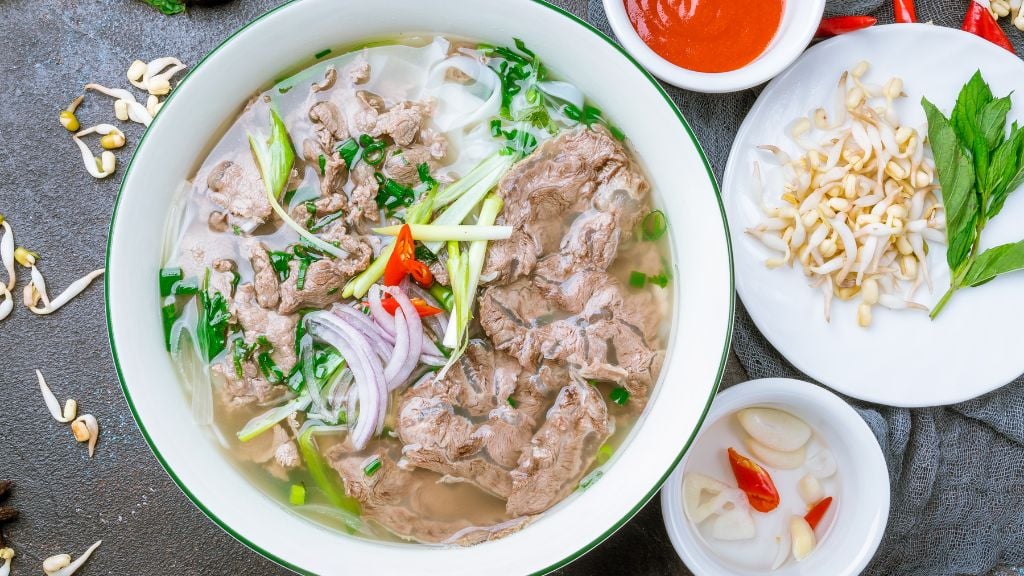
- Breakfast is made of pho (Vietnamese noodle served with beef or chicken), or sticky rice. You can see locals or western restaurants, bakeries to choose from!
- Lunch consists of 3 dishes: rice – vegetables – pork or fish.
- Dinner is usually similar to breakfast or lunch.
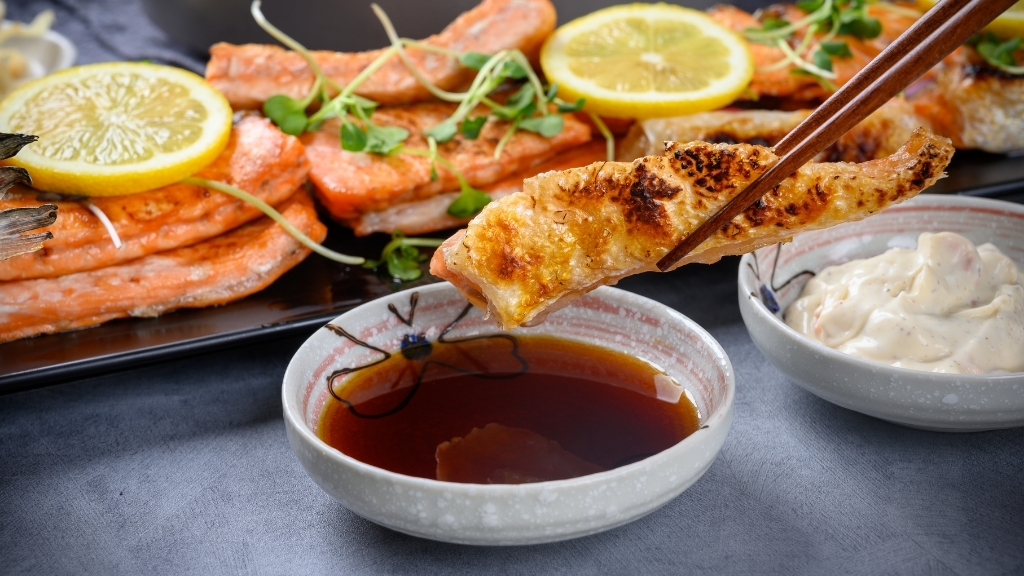
- Desserts and pastry are quite rare. You can find lotus seeds, white beans, corn with shaved ice, and coconut milk. There are also a lot of desserts made with coconuts or bananas.
- When you ferment anchovies in salt and water for six to twelve months you get surprisingly tasty “nuoc mam” (fish sauce). Soya sauce, chilli sauce and pepper are popular in Vietnamese cuisine too.

Vietnam is the world’s second-largest exporting country of coffee ergo you can find plenty of coffee shops where each cup of coffee is individually brewed with a single Vietnamese drip coffee machine.
Eating your way through Vietnam
In the Northern region
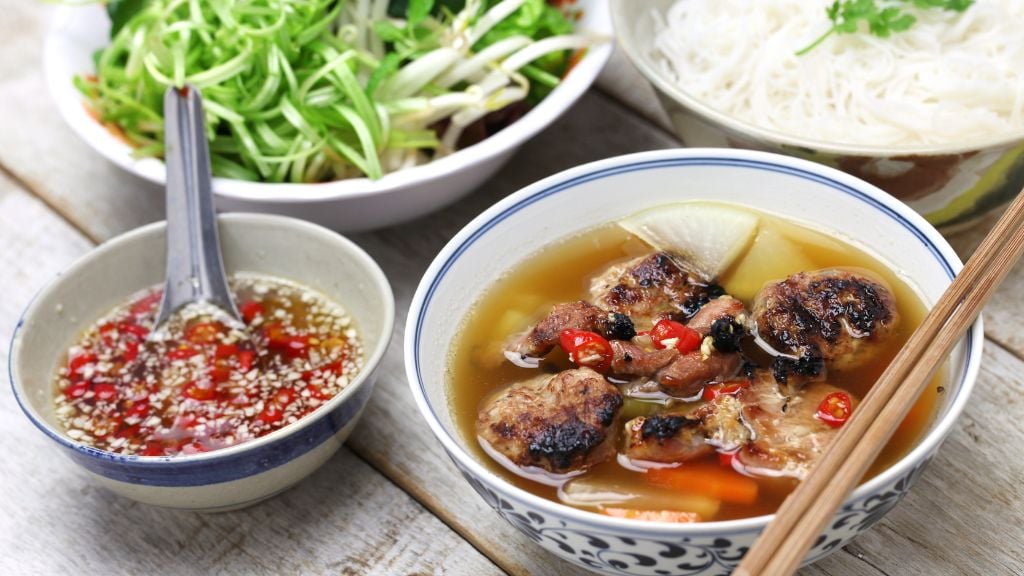
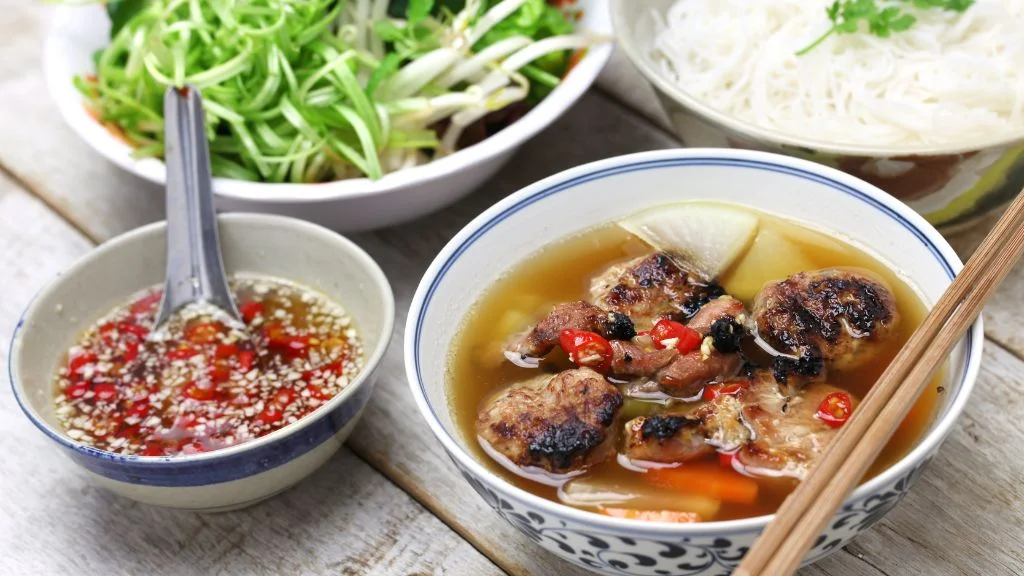
The food is saltier than in other regions. The most famous soup is pho, which comes in all shapes and sizes and consists of broth, rice noodles, and your choice of added ingredients: finely cut chicken or beef. Bun cha, another favorite soup, consists of vermicelli rice noodles, barbequed pork, and a broth served as a mixture of vinegar, chili, and sugar. Even Barack Obama ate it during his visit! Veggies in the north are eaten fried, blanched, steamed, or crisp. We are sure you´ll find your favorite dish.
In the Central region

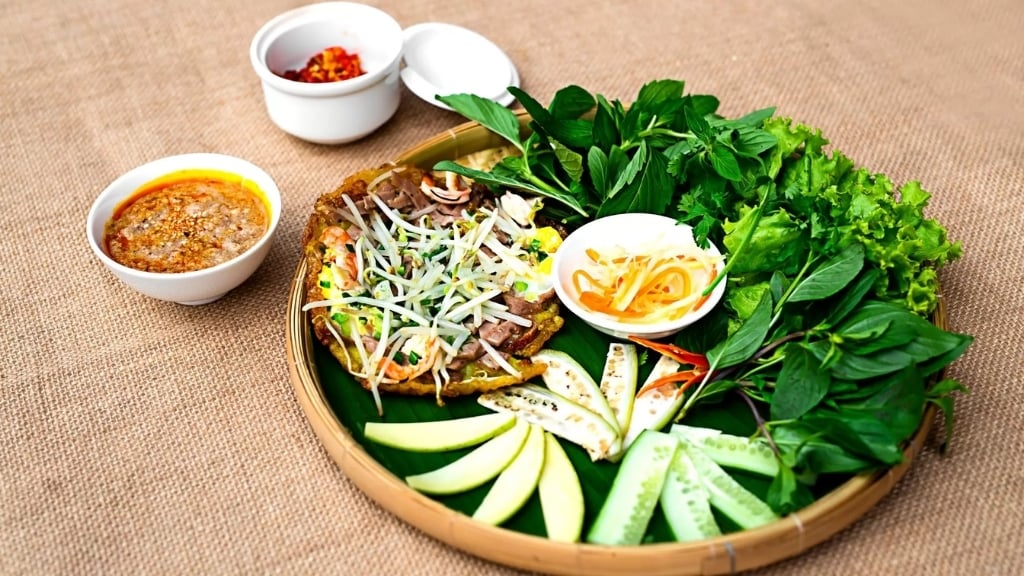

The food has been influenced by the former Nguyen Dynasty from Hue, so the Vietnamese cuisine in this part is sweet, sour, and spicier. Bun bo Hue is a popular dish from this region consisting of rice vermicelli noodles and vegetables served dry or with beef soup. Banh khoai-an omelet with bean sprouts, banh bo-steamed rice flour cake with ground shrimp, and nem lui-roll them yourself spring roll kebabs with peanut sauce are other favorites.
In the Southern region
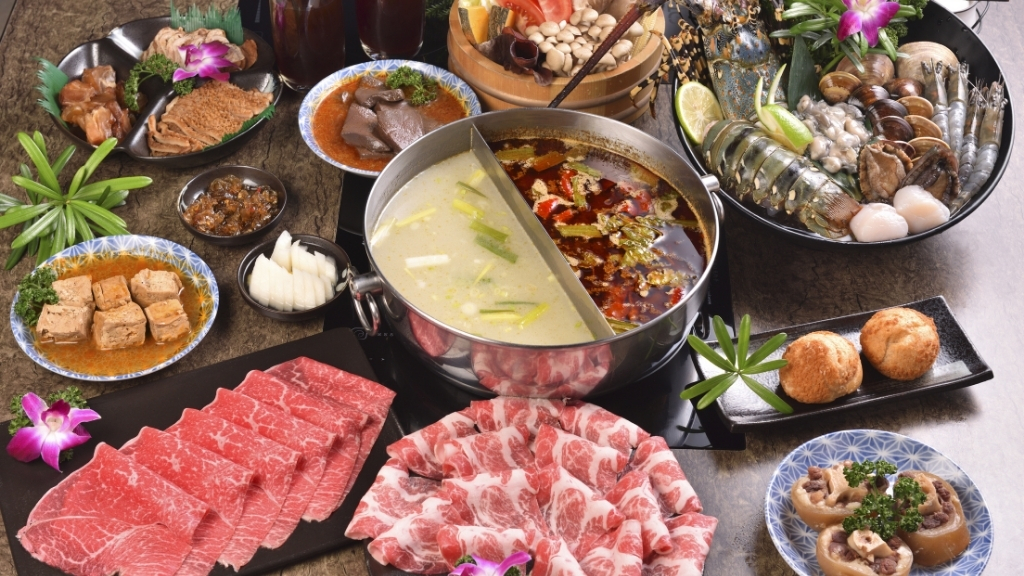
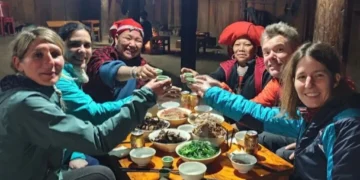
Food is much sweeter as they use coconut milk and herbs: mint, basil, and coriander. Throughout Vietnam, a popular choice when dining with a group of friends is known as Lau, or Vietnamese hot pot where a pot on a frame is in the middle of the table and a gas flame warms broth from underneath. Participants then cook, at their leisure, just about anything that takes their fancy, or is available that night.
Great way to socialise! Spring rolls or “nem” are also extremely popular throughout Vietnam, both fresh and fried. Nem is rice paper with minced pork, mushroom, crab, onion, vermicelli, and egg filling. Vegetarian variety “nem rau” is also available. As a Buddhist country, you can find many vegetarian meals throughout these diverse regions too.What places to visit from the North to the South?
Top 5 picks from Vietnamese cuisine
- Pho: A Vietnamese soup made with a broth that simmers for hours, herbs, rice noodles, and beef or chicken is a principal dish in the Vietnamese culture. Pho is full of vitamins and locals eat it for breakfast until stores sell out- which is daily at about 11 am because of the pho’s ability to help fight fatigue in the mornings.
- Bun Cha: “Bun”, meaning “white rice noodle”, and “cha”, meaning “pork”, create “bun cha”, a dish fragrant with herbs, slightly sweet sauce, noodles, and grilled pork. Bun cha is the signature dish for the capital of Vietnam, Hanoi.
- Nem cuon and goi cuon: Nem cuon is essentially a spring roll that includes grilled meats, while goi cuon is a spring roll that includes either boiled shrimp or pork. This Vietnamese food is offered as a DIY activity at restaurant tables: roll your own spring rolls!
- Banh Mi: The “banh mi” is a baguette sandwich tracing back to French influence. A single baguette is cut open and filled with ingredients such as: grilled pork, barbecued beef, pates, carrots, cilantro, cucumber, fried egg, and a variety of sauces including chilli.
- Egg coffee: This nutritious type of coffee originates in 1946 at Cafe Giang in Hanoi. The yolk of an egg is whipped together with condensed milk to form a sweet treat. Treat yourself to one!
Vietnamese fruits
Vietnam is famous for the astounding array of tropical fruits available.
– Avocados, cinnamon apples, star-fruits, coconuts, bananas, jackfruits, longans, lychees, papayas, pomelos, durians, dragon fruit, and more are available at different times of the year.
– Most are best devoured when fresh and in season!
Come see and taste Vietnamese cuisine for yourself.

Vietnamese drinks: A refreshing expression of local life

Vietnam’s beverage culture is as vibrant and diverse as its cuisine, offering refreshing flavors perfectly suited to the tropical climate. From iconic street-side drinks to carefully brewed traditional beverages, Vietnamese drinks reflect everyday life, local ingredients and a strong sense of balance.
Vietnamese coffee is world-famous for its intensity and unique brewing style. Served hot or iced, often with condensed milk, ca phe sua da delivers a bold yet smooth experience. Other variations such as egg coffee in Hanoi or salt coffee in Hue showcase the creativity and regional identity of Vietnamese coffee culture.
For something lighter, fresh fruit juices and smoothies are widely enjoyed across the country. Made from tropical fruits like mango, pineapple, passion fruit, dragon fruit and coconut, these drinks are naturally refreshing and bursting with flavor.
Traditional herbal drinks also play an important role in daily life. Beverages such as tra da (iced tea), artichoke tea or cooling herbal infusions are commonly consumed to refresh the body and restore balance, especially during hot days.
In the evening, locals often gather over local beers and rice wines, from light Vietnamese lagers to traditional ruou enjoyed during family meals and celebrations. These drinks offer a glimpse into Vietnam’s social culture, where sharing a drink is about connection, hospitality and togetherness.
Vietnamese cuisine is more than food – it is a journey through culture, history and everyday life. Each dish, each drink and each flavor reflects the country’s rich heritage and regional diversity, inviting travelers to slow down, explore and connect through taste.
Whether you dream of savoring street food in bustling cities, learning traditional recipes with local families or enjoying refined regional specialties, Vietnam offers an unforgettable culinary experience.
Ready to explore Vietnam through its flavors?
Let us design a tailor-made journey where every meal becomes a memory – from vibrant markets to authentic dining experiences across the country.