

Vietnam is an enchanting country where terraced rice paddies, vibrant megacities, tropical beaches and age-old traditions converge. From Hanoi, the charming cultural capital, to the teeming Mekong Delta, every traveler will find a unique experience shaped by nature, gastronomy, history and human encounters.
In this guide, prepared with the expertise of Hanoi Voyages, you’ll discover Vietnam practical information, including a simplified map, a clear overview of the country’s main regions and a detailed description of Vietnam’s climate. These essential resources will help you plan your ideal itinerary, pack carefully and make the most of every moment of your trip.
Vietnam travel map: Overview of each regions
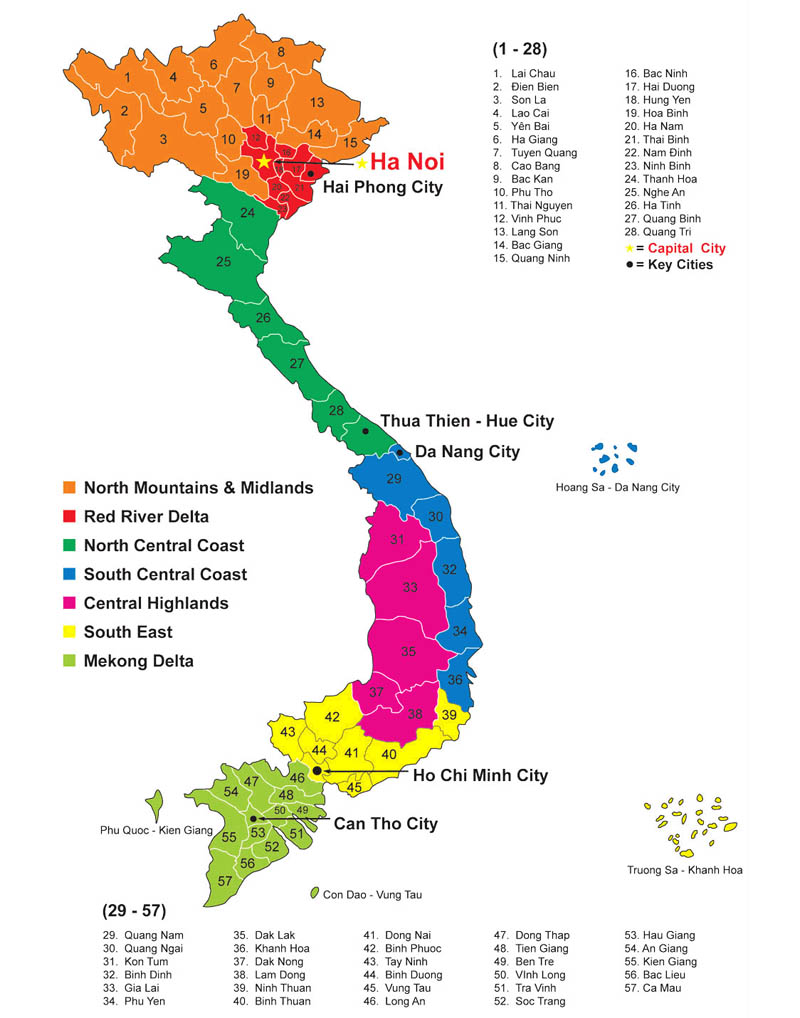
Geographical location
Vietnam stretches over 1,650 km from north to south. It has over 3,260 km of coastline extending from the Gulf of Tonkin to the Gulf of Thailand.
Main regions:
- The North: A mountainous and culturally rich region, home to Hanoi, Ha Long Bay, Sapa and the Northwest Highlands.
- The Centre: A narrow area between mountains and coastline, known for Hue, Da Nang, Hoi An and its long beaches.
- The South: A tropical region dominated by Ho Chi Minh City and the Mekong Delta, famous for its floating markets, orchards and canals.
Northern Vietnam: Mountains and authentic atmosphere
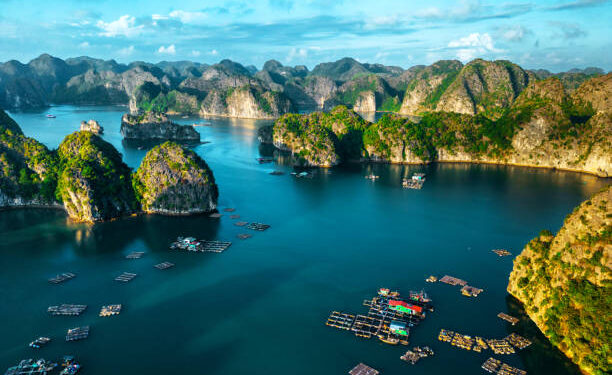
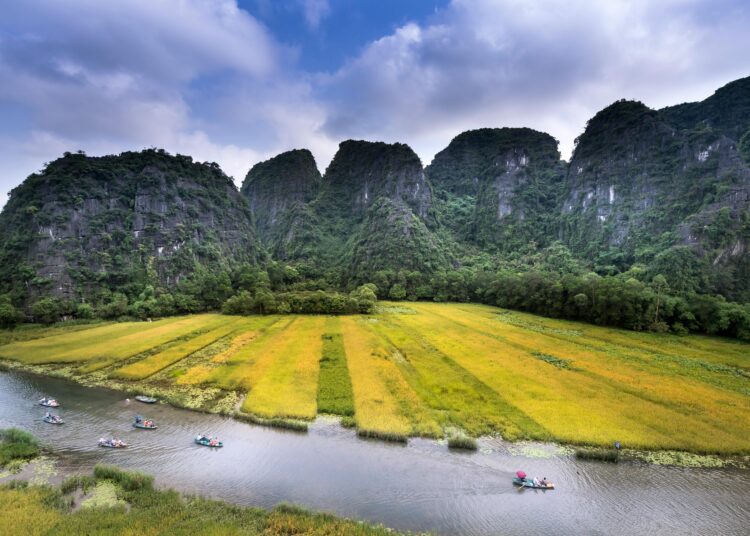
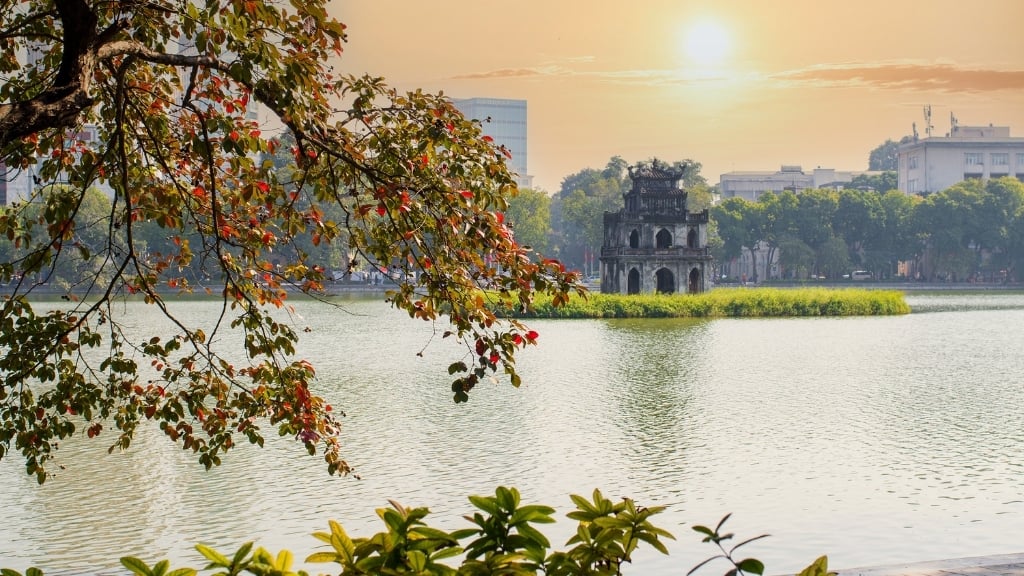

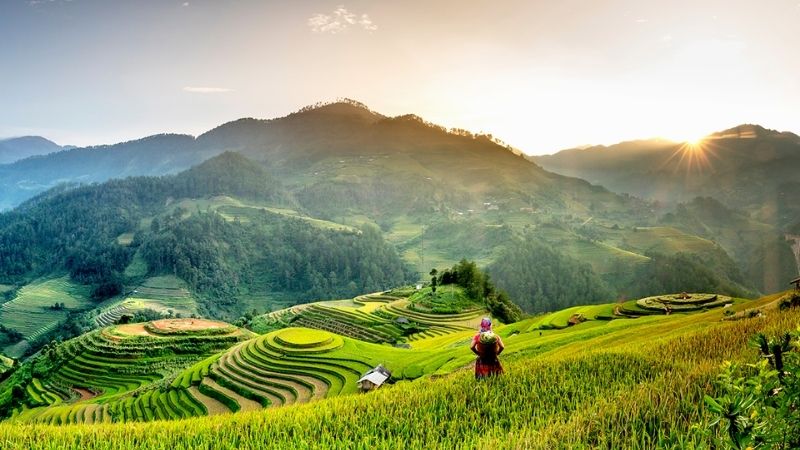

Northern Vietnam perfectly showcases the richness and diversity of the country. This region blends a thousand-year-old capital, majestic mountains and spectacular valleys. Travelers often consult Vietnam practical information to better understand how this unique geography shapes daily life and travel experiences.
 Main cities and areas: Hanoi, Sapa, Ha Giang, Moc Chau, Ninh Binh, Halong Bay, Cao Bang, Mai Chau
Iconic landscapes
- Spectacular karst peaks (Halong Bay, Ninh Binh)
- Rice terraces (Sapa, Muong Hoa, Y Ty)
- Mythical scenic routes (Ha Giang Loop)
- Peaceful valleys, tea forests and misty plateaus
- Ethnic villages with traditional wooden or rammed-earth houses
Key experiences and activities
- Hiking and trekking in Sapa or Ha Giang mountains
- Cruises in Halong Bay or Lan Ha
- Boat trips through caves and rice paddies in Ninh Binh
- Encounters with H’Mong, Dao, Tay, Giay ethnic groups
- Exploring Hanoi’s Old Quarter: temples, markets and historic cafes
Using this Vietnam practical information helps travelers plan their itinerary, choose the best seasons and discover authentic experiences in Northern Vietnam.
Central Vietnam: Tranquil beaches and historic cities

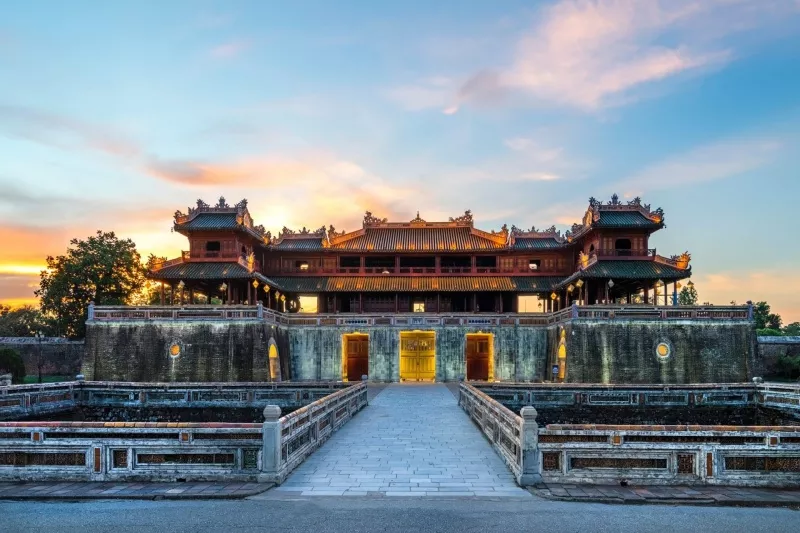
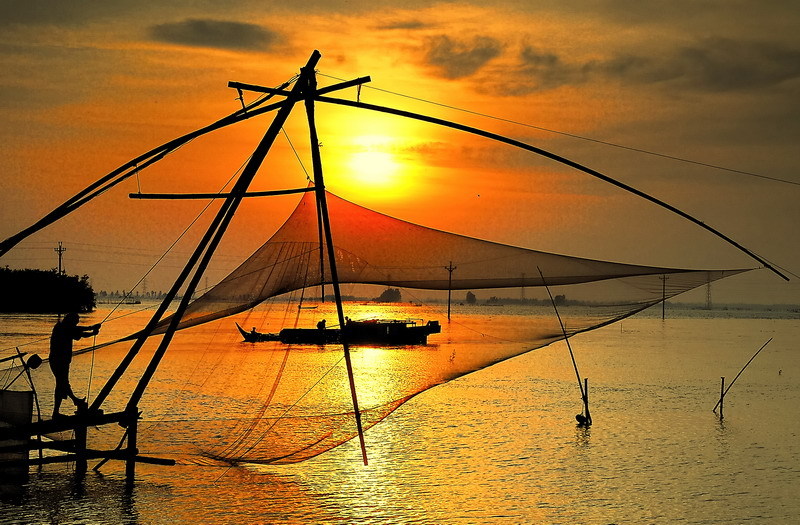
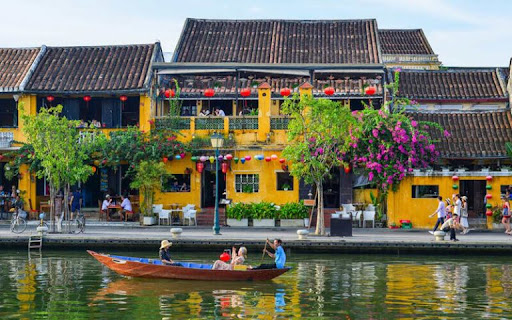
Central Vietnam is a true crossroads of heritage, nature and a relaxed lifestyle. Highly prized by travelers, this region harmoniously blends imperial history, sun-drenched beaches, a colonial atmosphere and spectacular natural beauty. Using reliable Vietnam travel information helps visitors plan their trip and make the most of each experience.
Main cities: Hue, Hoi An, Da Nang, Quy Nhon, Phan Thiet – Mui Ne, Phong Nha – Ke Bang
Iconic landscapes
- Long and peaceful beaches (An Bang, My Khe, Quy Nhon)
- UNESCO-listed ancient towns (Hoi An, Hue)
- Coastal mountains and the panoramic Hai Van Pass
- National parks and giant caves (Phong Nha, Son Doong)
- Rice fields, sand dunes and fishing villages
Key experiences and activities
- Explore the Imperial City of Hue and royal tombs
- Stroll through Hoi An by night, illuminated by lanterns
- Relax on the quiet beaches of central Vietnam
- Discover the mythical caves of Phong Nha
- Take a road trip by scooter along the Hai Van Pass
- Taste local specialties such as mi Quang, cao lau and banh beo
Southern Vietnam: Mekong Delta and Saigon’s modern energy
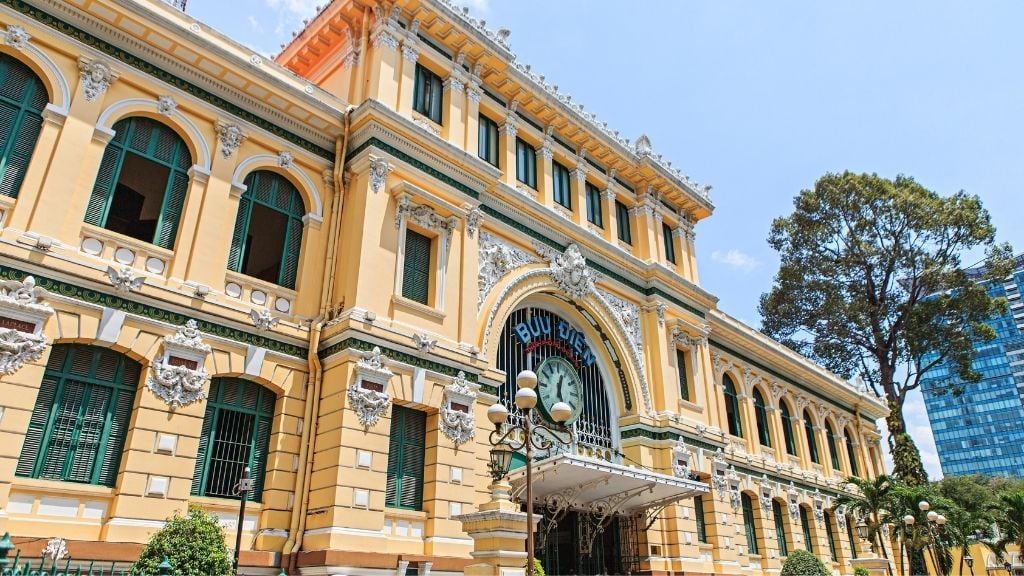

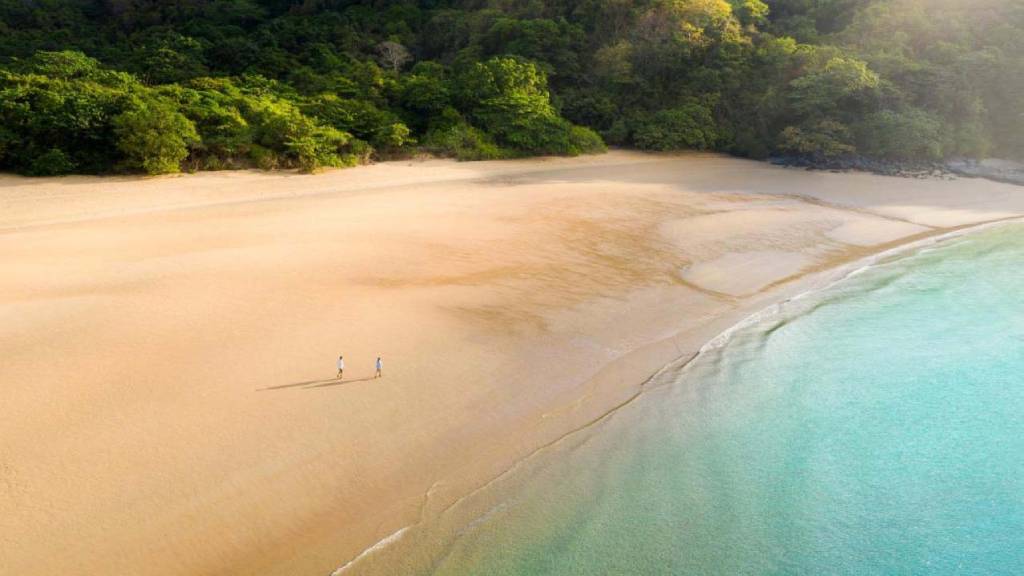
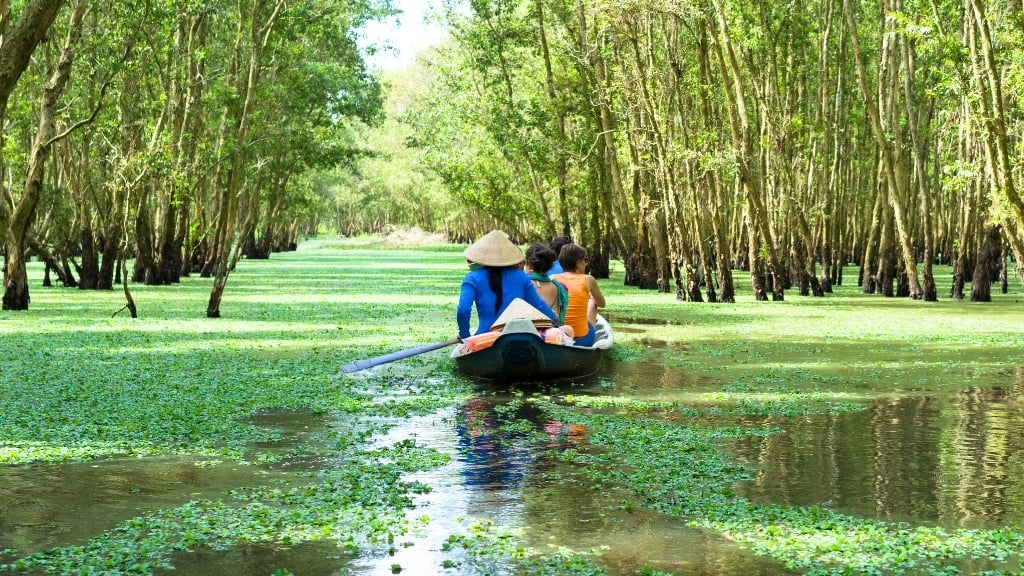
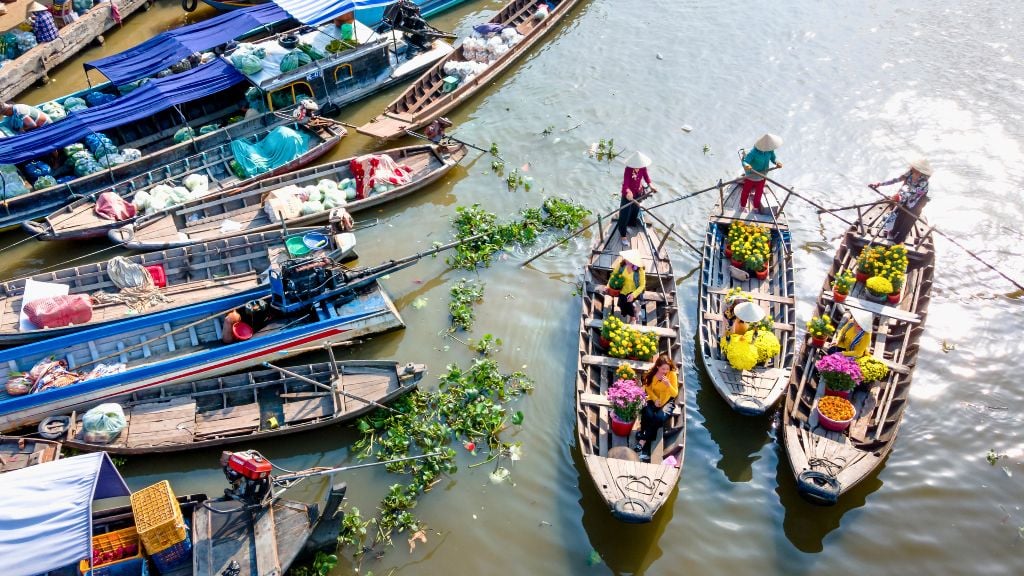
Southern Vietnam offers a unique blend of urban energy and tropical landscapes. To answer the question of what to see in Vietnam, travelers can explore floating markets, idyllic beaches and a vibrant metropolis. Consulting Vietnam travel information helps plan the best experiences and make the most of this diverse region.
Main cities and areas: Ho Chi Minh City (Saigon), Can Tho, My Tho, Ben Tre, Chau Doc, Phu Quoc, Con Dao
Iconic landscapes
- The Mekong River’s vast network of rivers, canals and mangroves
- Tropical islands with turquoise beaches (Phu Quoc, Con Dao)
- Traditional floating markets
- A modern city with skyscrapers, museums and vibrant cafes
Key experiences and activities
- Discover the Mekong Delta via sampan rides, floating markets and orchards
- Visit the historic Cu Chi tunnels
- Enjoy Saigon’s street food and lively nightlife
- Relax, snorkel, or dive around Phu Quoc
- Explore Con Dao’s unspoiled beaches and historical sites
Vietnam’s climate: What you need to know
An essential part of Vietnam practical information is understanding the country’s climate. Stretching over 1,600 km from north to south, Vietnam offers a diverse weather pattern that mirrors its varied landscapes. This diversity creates three main climatic zones, which travelers should consider when planning their trip.
Understanding Vietnam’s climate distribution
Northern Vietnam
The North has a subtropical climate with four distinct seasons. Winters can be surprisingly cold, while summers are hot, humid and rainy. Climatic contrasts are most pronounced in the mountains.
- Cold winter, sometimes foggy, especially in Hanoi and the mountains
- Hot and humid summer with frequent showers
- Very pleasant autumn: dry weather and clear skies
- Mild but occasionally foggy spring
Central Vietnam
The central region experiences a tropical climate influenced by maritime winds. It has dry periods ideal for travel and a typhoon season from September to November. Temperatures remain warm almost year-round.
- Dry and sunny summer, perfect for visiting Hue, Da Nang, or Hoi An
- Rainy season and typhoons in autumn
- Relatively mild winter
- Consistently high temperatures along the coast
Southern Vietnam
The South enjoys a tropical climate with two main seasons: dry and wet. Temperatures vary little, providing consistent warmth year-round, making it the most weather-stable region.
- Dry season from November to April, ideal for travel
- Rainy season from May to October, with brief but heavy downpours
- Stable heat between 28–35 °C
- High humidity, especially in summer
Best times to visit each region
The optimal time to visit Vietnam is during the dry season, from October to April. Monsoon rains occur mainly in the summer, often in the late afternoon, providing refreshing relief. Understanding this climate overview, as part of your Vietnam practical information, helps travelers plan a smooth and enjoyable trip from north to south.
Vietnam travel tour types: Which is the best option for you?
Every traveler experiences Vietnam differently: some focus on must-see sights, others prioritize adventure or comfort and many seek an authentic cultural experience. Thanks to the country’s diversity, there is an itinerary suited to every travel style. Hanoi Voyages provides practical Vietnam travel information to help you choose your itinerary based on your preferences and needs.
Classic tour in Vietnam


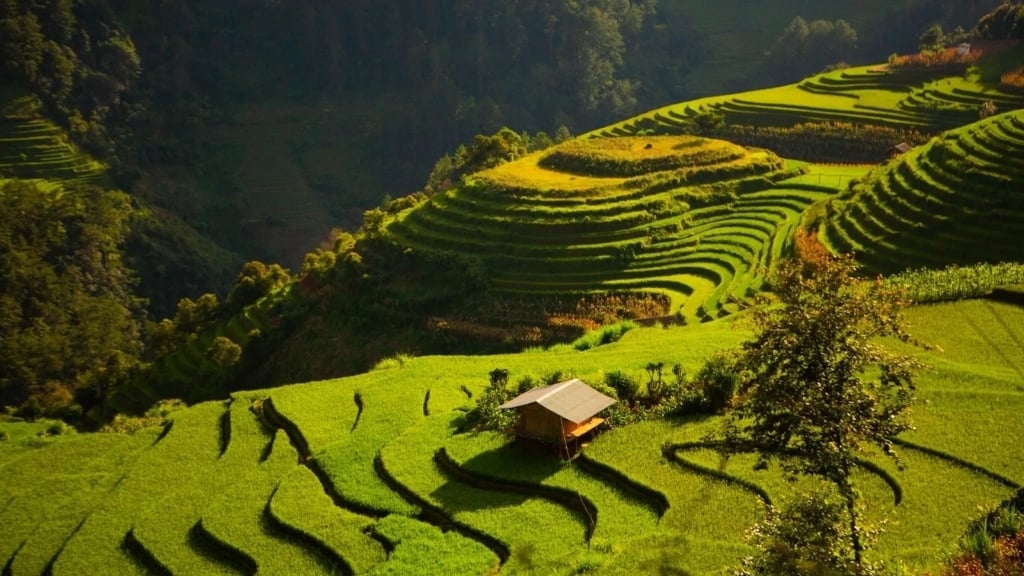
The classic tour is perfect for travelers who want to discover the highlights of the country in a single trip. It offers a balanced mix of culture, natural landscapes and heritage sites. From Hanoi to Ho Chi Minh City, including Hoi An and the Mekong Delta, this itinerary covers Vietnam’s most iconic destinations.
Visitors can plan their journey efficiently, choose the best times to visit each location and make the most of their experience. This tour is ideal for first-time visitors or anyone looking for a comprehensive overview of the country.
Family tour in Vietnam
For families, a suitable itinerary should maintain a relaxed pace, encourage interaction and minimize long journeys. Vietnam is perfectly suited to this type of trip thanks to its diverse activities. This tour allows you to combine exploration, leisure and shared experiences, guaranteeing a pleasant trip for all ages.
Honeymoon tours in Vietnam

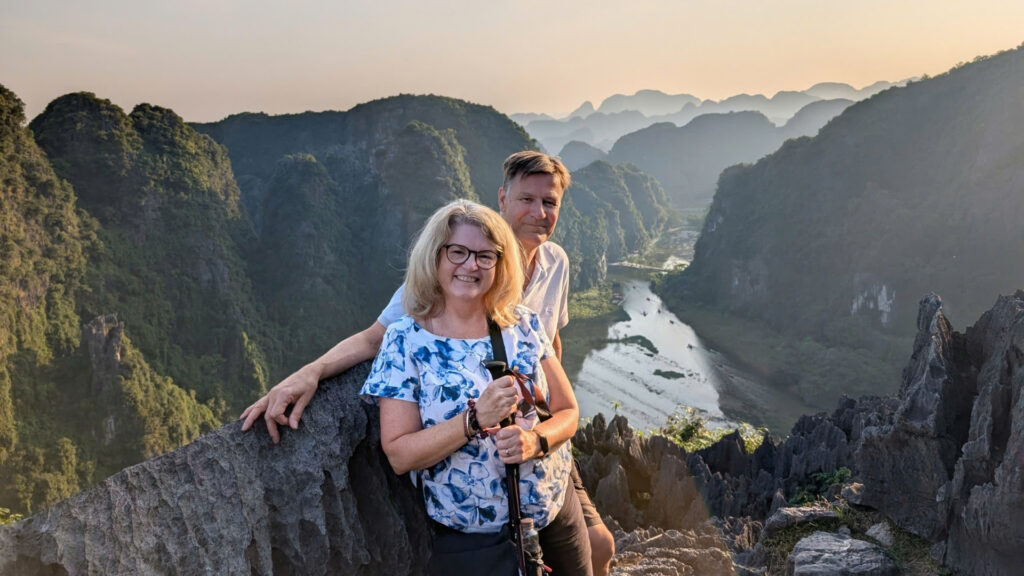
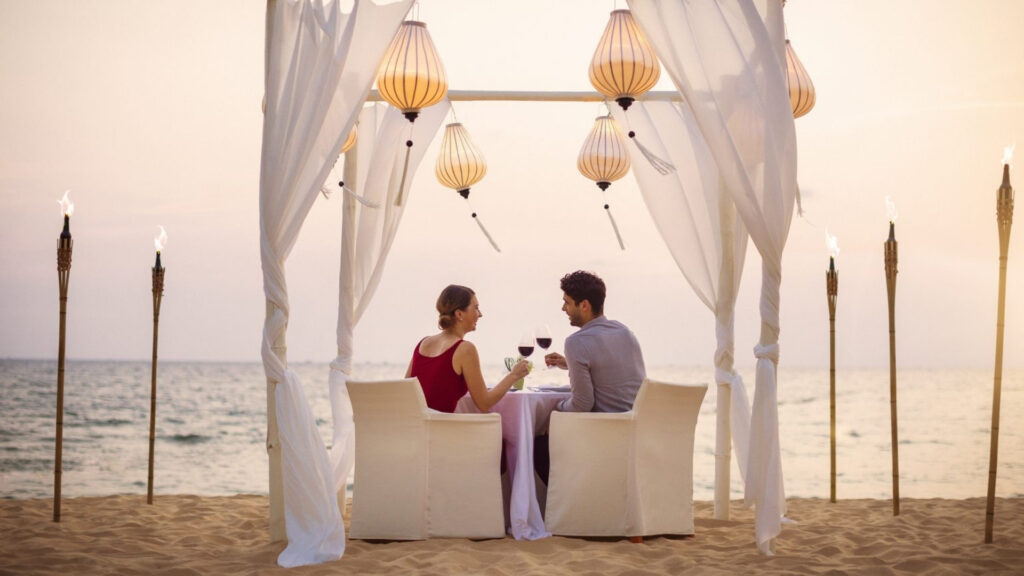
Vietnam is ideal for honeymooners, offering romantic cruises in Halong Bay, lantern-lit streets in Hoi An and private beaches in Phu Quoc. Couples can enjoy intimate experiences, scenic landscapes and local culture for an unforgettable trip.
Vietnam luxury tours
For discerning travelers, Vietnam offers refined experiences that combine comfort, exclusivity and personalized service. These types of tours combine luxurious hotels, wellness retreats and private excursions.
Combined tour with neighboring countries
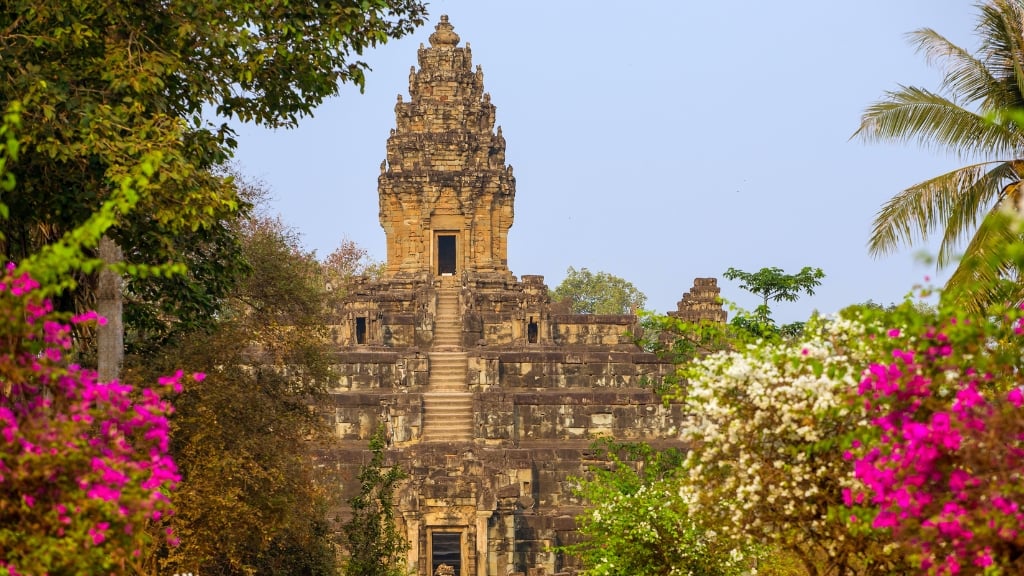
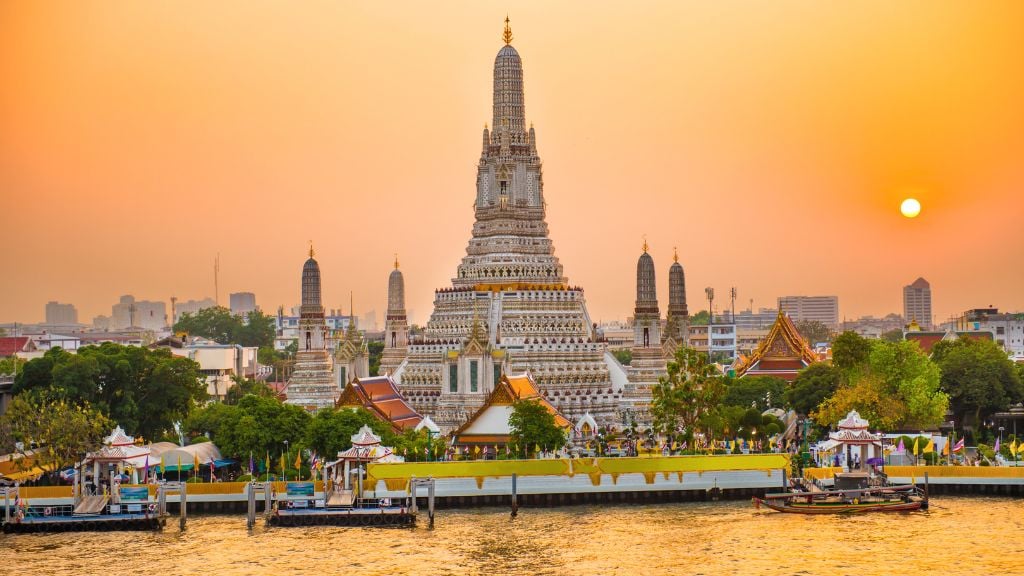
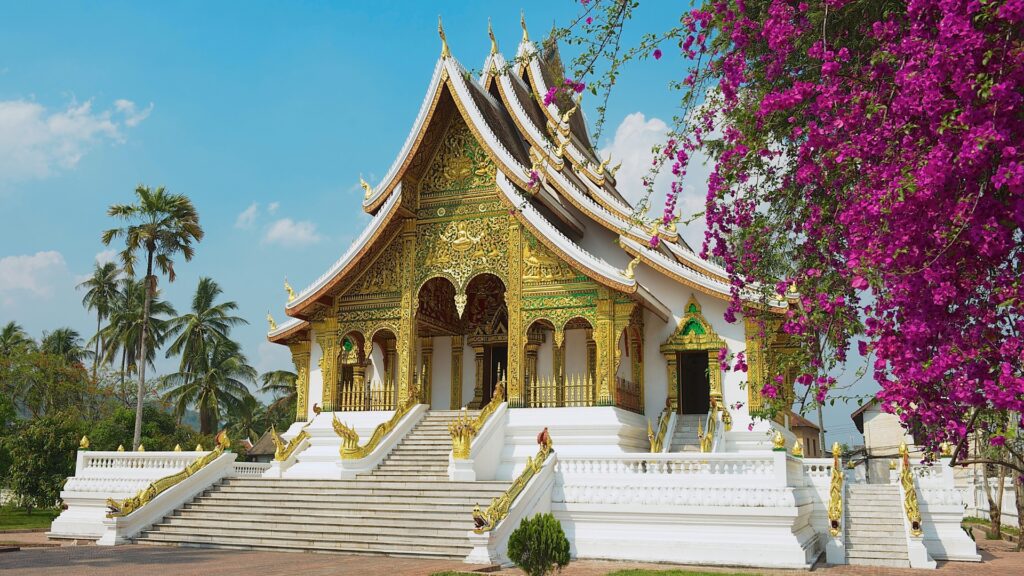


For those looking to broaden their horizons, combining Vietnam with a neighboring country is very easy. Connections between Cambodia, Laos and Thailand are quick and convenient.
A combined tour, for example, allows you to discover the temples of Angkor after a cruise in the Mekong Delta, explore Luang Prabang after the mountains of Northern Vietnam, or add a few relaxing days in Thailand after a cultural itinerary. It’s a perfect option for a comprehensive trip to Southeast Asia.
Ideal length of stay for a trip to Vietnam
The length of your stay in Vietnam depends on your travel pace, but certain durations are particularly effective for making the most of your trip. A stay that is too short can feel rushed, while a longer stay allows for deeper cultural and natural immersion. Using reliable Vietnam practical information can help you plan your itinerary with confidence.
- 7 days: A quick overview focusing on the North, Central, or South regions.
- 10–12 days: A complete classic tour covering the highlights of the country.
- 14 days: A balanced itinerary combining culture, nature and relaxation.
- 3 weeks: An in-depth exploration from north to south, allowing full immersion in Vietnam’s diverse landscapes and experiences.
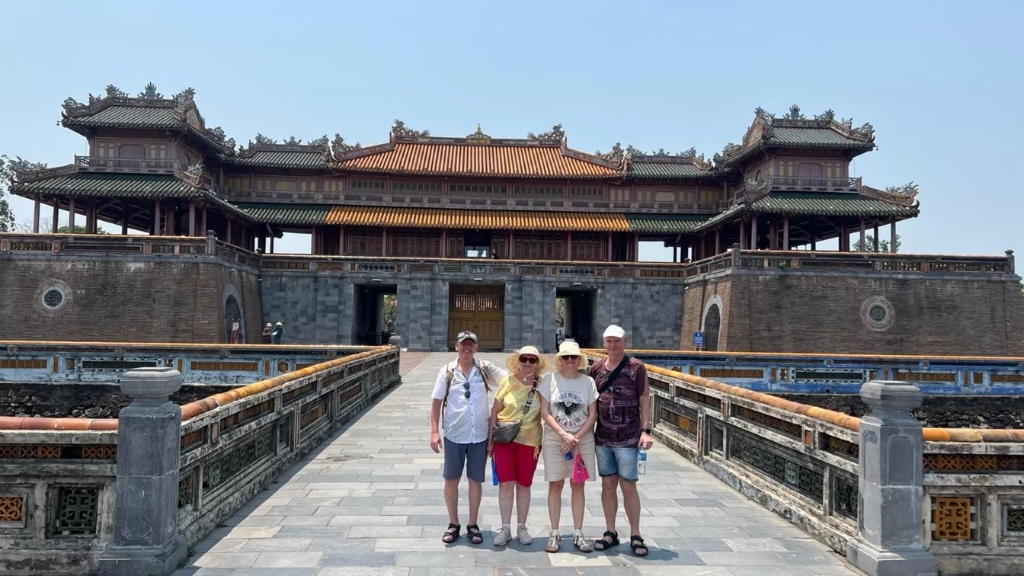
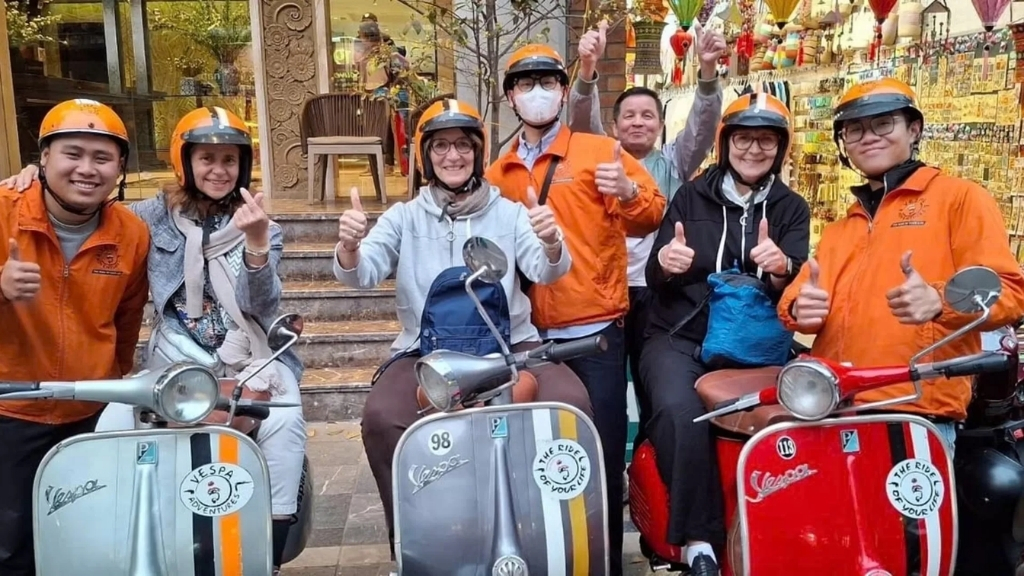
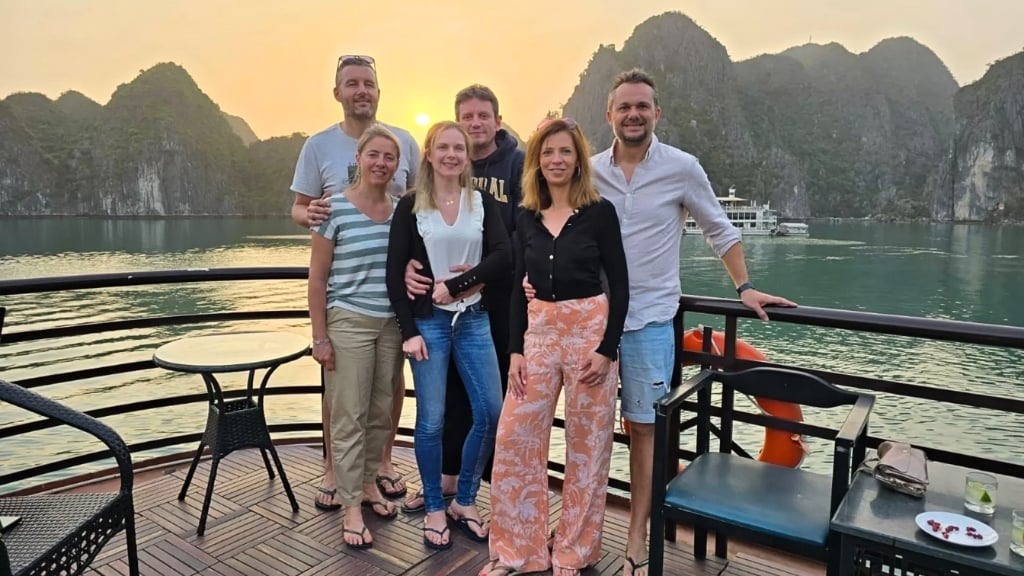

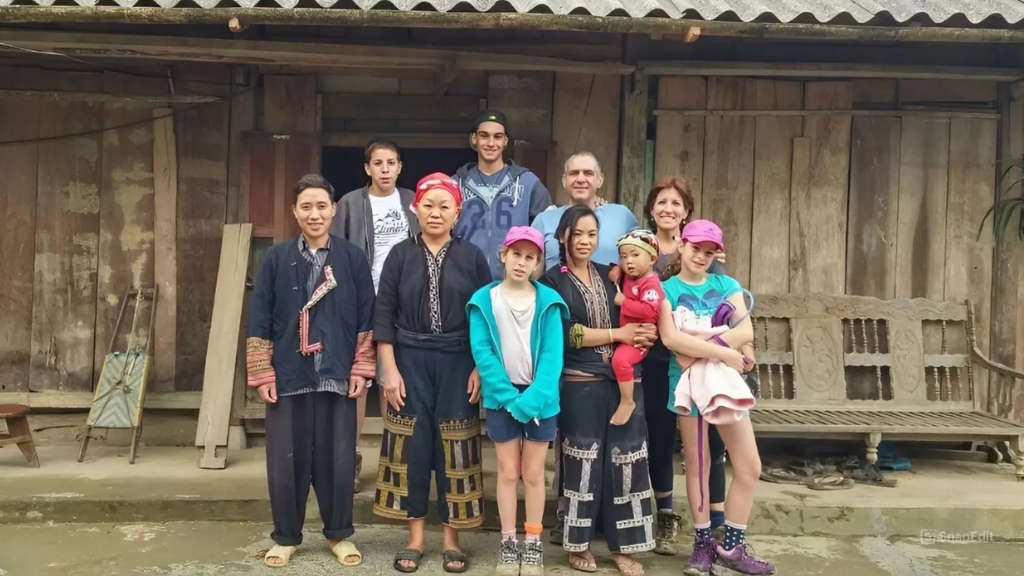
Hanoi Voyages’ clients appreciate the quality of the tours, the team’s attentive listening and their ability to create itineraries truly tailored to each travel style. Feedback highlights the flexibility in organization, the expertise of the local guides and the reassuring support provided from the beginning to the end of their stay.
Explore our tailor-made journeys in Vietnam.
An inspirational guide to Vietnam tours
Gather ideas, mix experiences, and let us design a journey crafted just for you.
Vietnam useful information for a successful trip to Vietnam
A trip to Vietnam requires some preparation to fully enjoy the experience. Hanoi Voyages provides essential Vietnam practical information to help ensure a smooth and worry-free stay.
Entry formalities and visa

Vietnam visa information is crucial for most travelers. Rules can change, so it is important to check the latest regulations before your trip.
- Many countries, especially in Asia and Western Europe, benefit from visa exemptions for short stays (usually 15, 30, or 45 days).
- For longer stays or for nationalities not exempt, a visa is required. The simplest method is usually applying for an e-visa online.
- Plan ahead: prepare a valid passport, ID photos and other required documents.
Domestic transport: Plane, train, bus, cruises
Transportation in Vietnam is well-developed and versatile, making it easy to explore the country.
- Flights: The air network connects major cities such as Hanoi, Ho Chi Minh City, Da Nang and Phu Quoc. Fastest for long distances.
- Trains: Modernized trains offer comfortable, scenic journeys.
- Buses and Boats: Perfect for regional travel and a more authentic experience.
- City transport: Motorcycle taxis (xe ôm) and ride-hailing apps like Grab are popular and economical.
Internet, SIM cards and useful apps

Staying connected in Vietnam is easy:
- Local SIM cards (Viettel, Mobifone, Vinaphone) and eSIMs are widely available.
- Grab is convenient for taxis and deliveries.
- Google Maps and Google Translate help navigate and communicate smoothly.
Budget and money in Vietnam
Understanding money in Vietnam is important for planning expenses:
- Currency: Vietnamese Dong (VND). Notes come in denominations from 1,000 to 500,000 VND.
- Cash vs card: Cash is widely used, especially in local markets and rural areas. Credit and debit cards are accepted in hotels, restaurants and bigger stores.
- ATMs: Readily available in cities and tourist areas.
- Currency exchange: Exchange money at banks or authorized exchange offices for safety. Avoid street exchangers.
With this Vietnam practical information, you now have all the tools you need to understand the country’s structure, anticipate weather conditions and select the regions that best suit your preferences. Thanks to the simplified map of Vietnam, the descriptions of its regions and the climate information, you can plan a smooth, well-balanced trip at your own pace.
Want to take your trip planning further? Let Savor Vietnam help you create a tailor-made itinerary, perfectly designed for you.