Basic information
Get to know Vietnam’s time difference, currency and transportation

| TIME ZONE | CURRENCY |
| The timezone in Vietnam is UTC+07:00 | Vietnamese people mainly use cash and the currency used is the Vietnamese đồng (VND). Note that you can also use a credit card, but only in restaurants or convenience store. – 1 Euro = about 27.000 VND – 1 USD = about 23.000 VND – 1 GBP = about 30.000 VND |
Vietnam travel advice: What you need to know
Do you need a visa to travel to Vietnam? , how are the homestays in Vietnam, what are the Vietnamese holidays, …? Let’s explore with this Vietnam travel advice
Vietnam visa requirements

Vietnam offers a wide range of tourist visa options, including e-visa, visa exemption, visa on arrival, and embassy-issued visas, with flexible stays
General requirements
- A passport valid at least 6 months beyond your departure date is required.
- Tourist visas allow stays from 30 to 90 days, with single or multiple entry options.
- Visa policies may change, so always check official sources before traveling.
Accommodation in Vietnam
Vietnam offers diverse accommodation options across its regions, from vibrant cities to remote natural landscapes.
Hotels
Hotels are widely available in major cities such as Hanoi, Ho Chi Minh City, Da Nang and Hue, ranging from budget to international 5-star brands. They offer modern comfort, convenient locations, and easy access to main attractions.
Villas & Resorts
Private villas and resorts are popular in beach and leisure destinations like Phu Quoc, Nha Trang, Da Nang, Hoi An and Mui Ne. They provide spacious settings, private pools, wellness facilities, and are ideal for relaxation, families, and honeymooners.
Eco-lodges
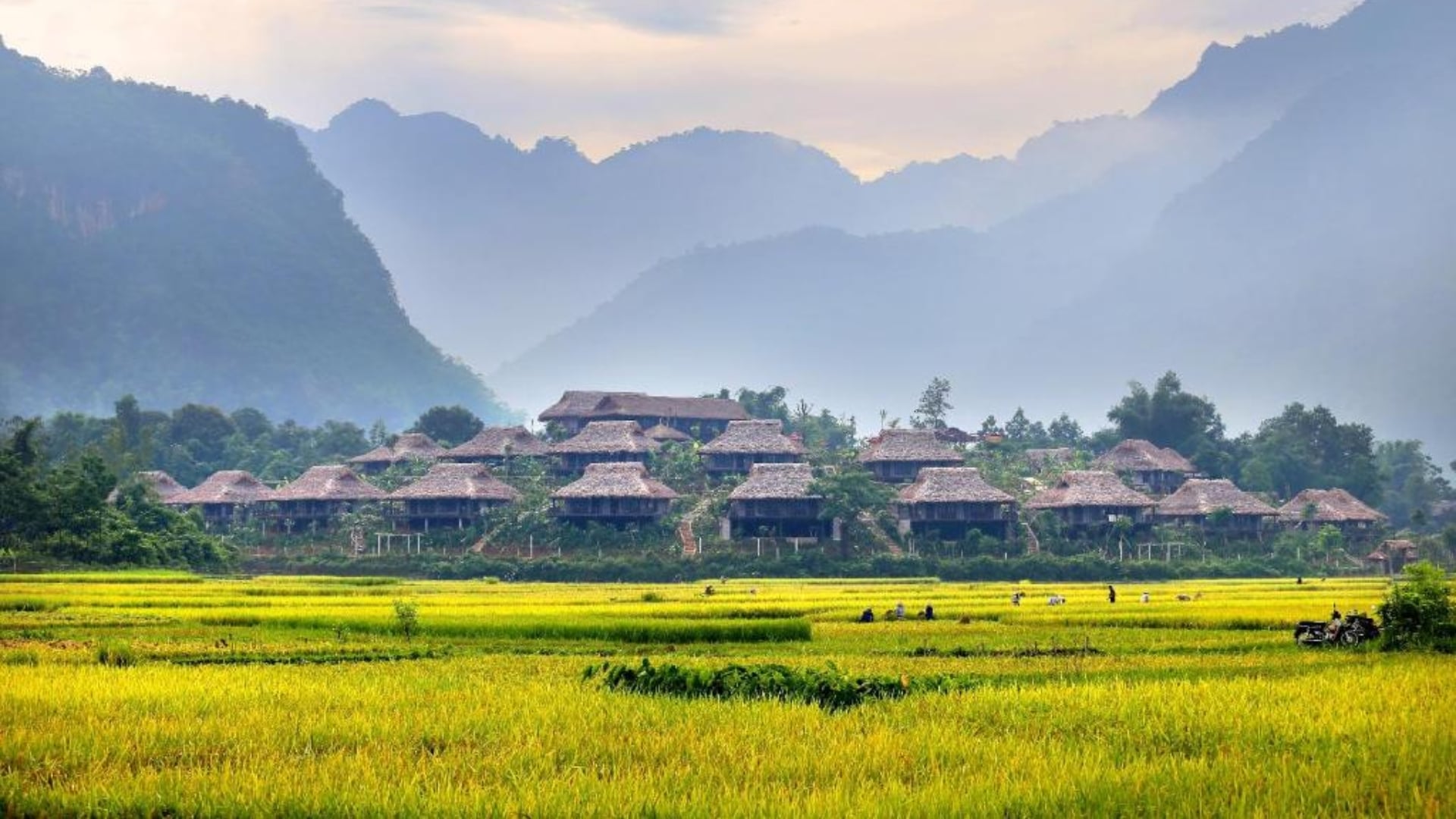
Eco-lodges are typically found in nature-rich areas such as Sapa, Mai Chau, Pu Luong, Ninh Binh, Ha Giang and the Central Highlands. Built with local materials, they focus on sustainability, scenic views, and immersive outdoor experiences.
Cruises (Overnight boats)
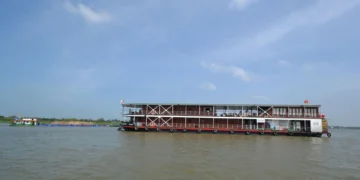
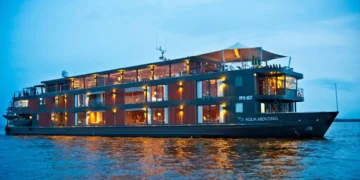
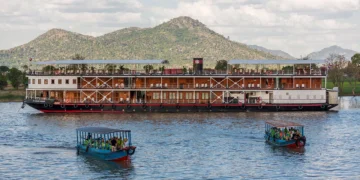
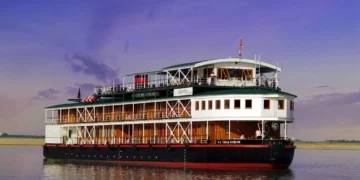
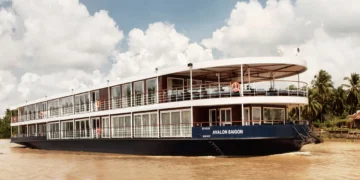
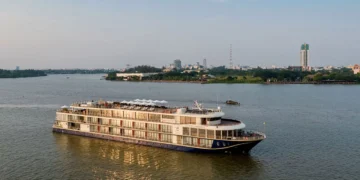
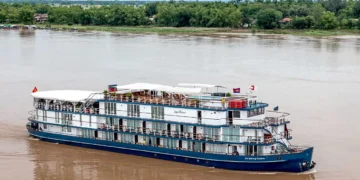
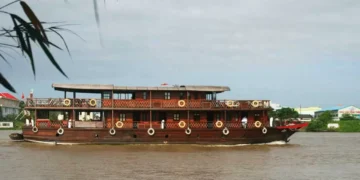
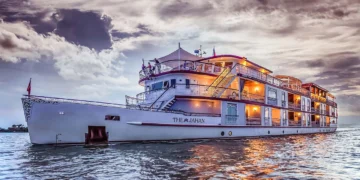
Cruises offer a unique stay on the water, especially in Halong Bay, Lan Ha Bay, Bai Tu Long Bay, and along the Mekong Delta. They combine accommodation, dining, and guided excursions in iconic landscapes.
Homestays
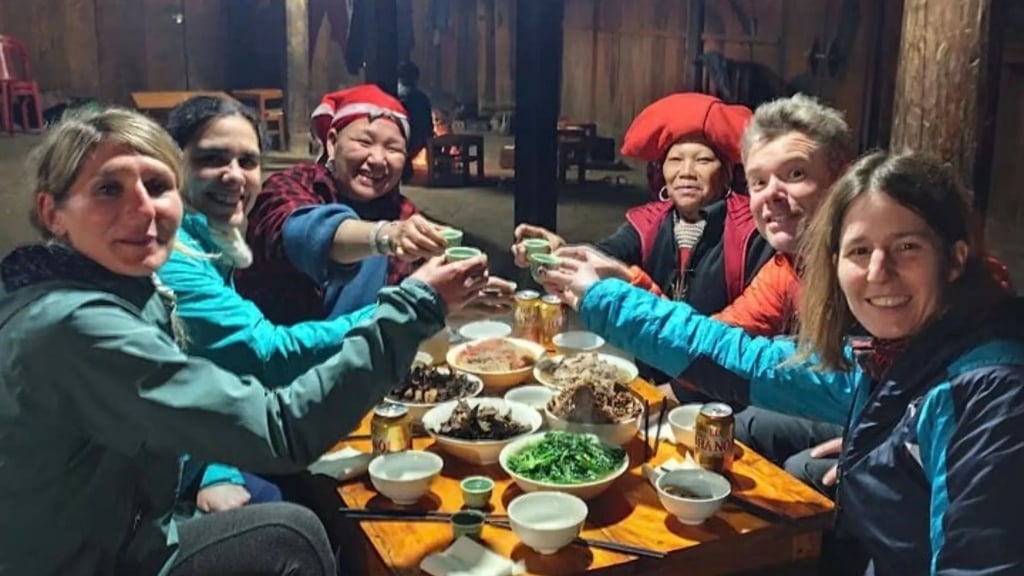

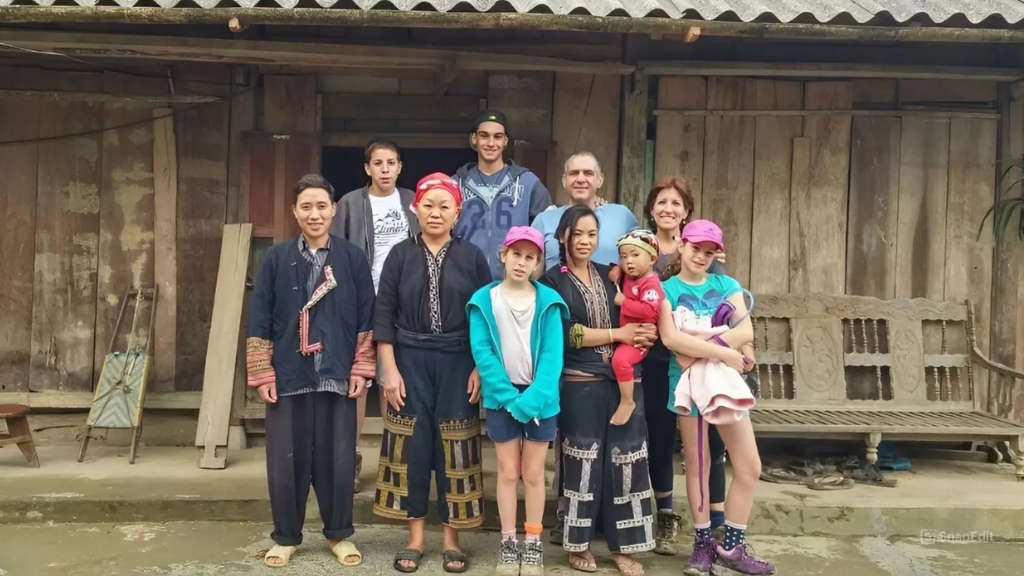
Homestays are common in rural and ethnic minority regions such as Mai Chau, Sapa, Ha Giang, Mekong Delta villages and Ben Tre. They provide simple comfort, home-cooked meals, and meaningful cultural exchanges with local families.
Boutique hotels & Guesthouses
Boutique hotels and guesthouses can be found in charming destinations like Hoi An, Hue, Dalat and Hanoi’s Old Quarter, offering personalized service, local character, and good value for money.
Vietnam travel health guide for visitors

Vietnam is generally a safe destination for travelers, and with a few basic precautions, you can enjoy your trip comfortably and worry-free.
- Healthcare quality: As part of practical Vietnam travel advice, visitors should note that international-standard hospitals and clinics are available in major cities like Hanoi, Ho Chi Minh City and Da Nang, while medical services in rural areas may be limited.
- Travel insurance: Comprehensive travel insurance is strongly recommended in any Vietnam travel advice, covering medical treatment, emergencies, evacuation, and outdoor activities.
- Vaccinations & medications: No mandatory vaccinations are required, but routine travel vaccines are advised. Travelers should bring personal medications, prescriptions, and a basic first-aid kit as part of essential Vietnam travel advice.
- Food & water safety: Tap water is not safe to drink. Always use bottled or filtered water and choose freshly cooked food – a key point in all Vietnam travel advice.
- Climate & heat protection: Vietnam’s tropical climate can be hot and humid. Stay hydrated, use sunscreen, wear light clothing, and avoid prolonged sun exposure during peak hours.
- Mosquito protection: Mosquitoes are common, especially in rural and tropical regions. Use insect repellent and wear long sleeves in the evening, as recommended in most Vietnam travel advice.
- Emergency assistance: In case of illness or accident, seek care at reputable hospitals or clinics. Hotel staff or tour guides can assist quickly – an important practical tip in Vietnam travel advice.
Transportation in Vietnam
Vietnam offers a wide range of transportation options for travelers. Domestic flights are the fastest way to travel long distances between major cities, while trains and long-distance buses provide scenic and affordable alternatives.
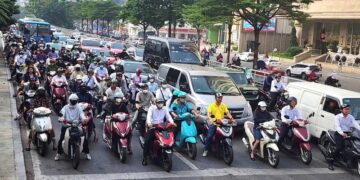
In cities like Hanoi and Ho Chi Minh City, taxis, ride-hailing apps, motorbike taxis, and local buses make getting around easy, while boats are commonly used in regions such as Halong Bay and the Mekong Delta.
What to pack for your trip to Vietnam
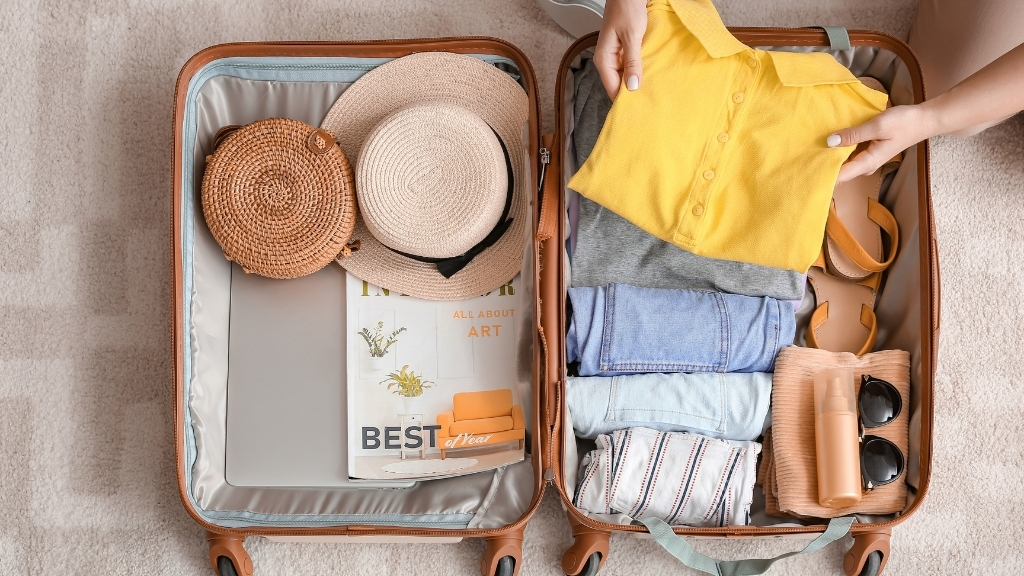
Not sure what to pack for your trip to Vietnam? A few smart essentials can make your journey much more comfortable and stress-free.
- Light and breathable clothing: Vietnam has a tropical climate, so pack lightweight, quick-dry clothes made from cotton or linen to stay comfortable throughout your journey.
- Rain protection: A light rain jacket or poncho is essential, especially during the rainy season and in central and southern Vietnam.
- Comfortable footwear: Bring comfortable walking shoes or sneakers for city tours, plus sandals or flip-flops for beaches and casual outings. Hiking shoes are recommended for trekking areas like Sapa or Ha Giang.
- Sun protection: Sunscreen, sunglasses, and a hat are must-haves due to strong sun exposure, particularly in summer and coastal regions.
- Insect repellent: Mosquito repellent is highly recommended, especially when traveling to rural areas, the Mekong Delta, or mountainous regions.
- Personal medications & first-aid kit: Pack essential medicines, prescriptions, pain relievers, and basic first-aid supplies as part of practical Vietnam travel advice.
- Travel documents: Bring your passport (valid at least 6 months), visa or e-visa printout, travel insurance details, and copies of important documents.
- Reusable water bottle: A refillable bottle helps you stay hydrated while reducing plastic waste; use filtered or bottled water only.
- Power adapter & electronics: Vietnam uses types A, C, and D plugs with 220V electricity. A universal adapter and power bank are useful for travel days.
- Cash & payment essentials: While cards are accepted in major cities, cash is still widely used. Bring small denominations for markets and rural areas.
Plug outlets
The most common outlet in Vietnam is the two-pronged “European” style (220V), which requires two straight, parallel prongs, unlike the three-pronged UK plug.
Make sure you bring an adapter if you bring electric appliances under 220V (eg: 110V).
You can see which foreign plugs you will be able to use in Vietnam right here.
National days
| National days | Date |
| Lunar New Year (Tet) | Late January- Early February |
| Reunification of Vietnam | April 30th |
| International Workers Day | May 1st |
| Independence Day | September 2nd |
Still think that Vietnam travel advice is not enough? Still worried?
Contact us for the best travel experience!
Dream about your trip to Asia, in private
We are here to make it happen with you